
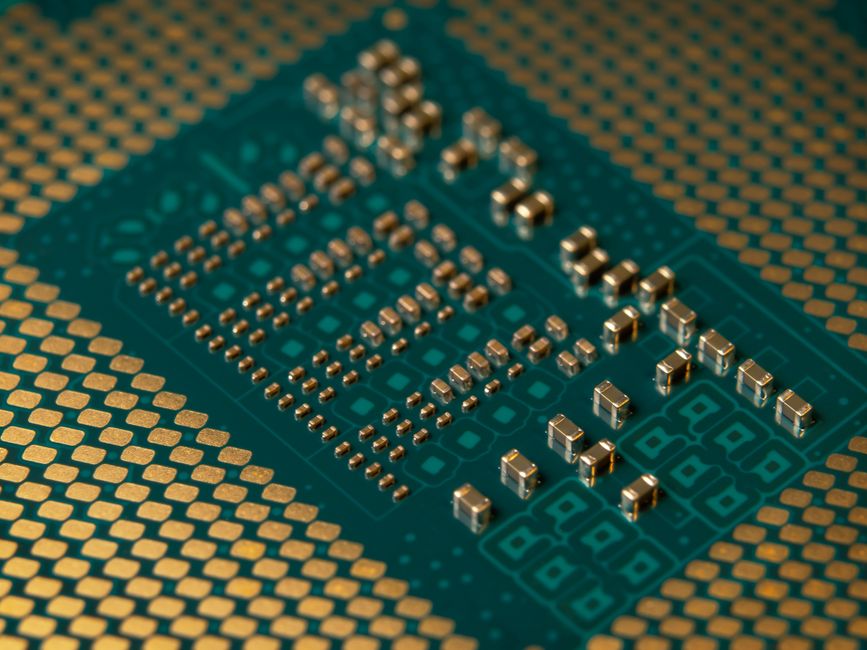
What Happened: The Unseen Bottleneck of the AI Revolution
In the high-stakes race for artificial intelligence dominance, a critical bottleneck has emerged, and it’s not in the software or the algorithms, but in the very silicon that powers it all. Taiwan Semiconductor Manufacturing Co. (TSMC), the undisputed global leader in advanced chip fabrication, has revealed that it simply cannot keep up with the insatiable demand for AI chips. Reports from Reuters and Bloomberg confirm that even with significant investments in new manufacturing facilities, including those in the United States, TSMC’s capacity is stretched thin. As TSMC CEO C.C. Wei candidly put it,
"Customer demand is so high, and we can only support so much."
TSMC is the foundry behind the most advanced processors from tech giants like Nvidia, Apple, Qualcomm, and AMD. These companies rely on TSMC’s cutting-edge process nodes – currently 3nm and 5nm – to produce the powerful, energy-efficient chips essential for everything from your smartphone to the massive data centers running generative AI models. The current surge is primarily driven by the explosion in AI development, particularly the need for specialized graphics processing units (GPUs) and AI accelerators that can handle the immense computational loads of training and deploying large language models.
Why It Matters: The Ripple Effect Across the Tech World
This isn't just a supply chain hiccup; it's a foundational challenge for the entire tech ecosystem. When TSMC, the linchpin of advanced semiconductor manufacturing, struggles, the effects ripple outwards dramatically:
- AI Innovation Slowdown: Companies like Nvidia, whose GPUs are the gold standard for AI, depend on TSMC. A constrained supply means fewer chips, potentially delaying the development and deployment of new AI technologies and services.
- Product Delays and Higher Costs: Expect potential delays for new AI-powered gadgets, next-gen smartphones, and even cloud computing services that rely on these chips. Scarcity often leads to higher prices, which could eventually trickle down to consumers.
- Geopolitical Implications: TSMC's dominance, coupled with its location in Taiwan, has significant geopolitical weight. The U.S. and other nations are investing heavily in domestic chip production (like TSMC's upcoming Arizona fabs) to reduce reliance on a single region, but these efforts take years to bear fruit.
- Intensified Competition: The scarcity could force tech companies to diversify their chip suppliers or even invest more heavily in designing their own custom silicon, further intensifying the competition in the semiconductor space.
The Bigger Picture: The AI Arms Race and Manufacturing Complexity
The current situation underscores the sheer intensity of the AI arms race. Every major tech company, from Google to Microsoft to a myriad of startups, is pouring resources into AI, creating an unprecedented demand for computational power. Modern AI chips are not just complex; they are masterpieces of engineering, packing billions of transistors onto a fingernail-sized piece of silicon. The manufacturing process involves hundreds of steps, requiring multi-billion-dollar fabrication plants (fabs) and highly specialized equipment, much of it from a handful of companies like ASML for lithography machines.
TSMC’s lead in this field is formidable, built on decades of investment, expertise, and proprietary technology. While other foundries like Samsung Foundry and Intel Foundry are making strides, catching up to TSMC's efficiency, yield rates, and process node advancements is a monumental task. The demand for advanced packaging technologies, like TSMC's CoWoS (Chip-on-Wafer-on-Substrate), which stacks chips vertically to improve performance and reduce footprint, is also skyrocketing, adding another layer of complexity to the supply chain.
This isn't just about silicon; it's about the entire infrastructure required to push the boundaries of computing. The energy, water, and human capital required to run these fabs are immense, making expansion a slow and deliberate process, even in the face of urgent demand.
Should You Care? Your Digital Future Depends On It
Absolutely, you should care! While you might not be buying raw silicon wafers, the availability and cost of these chips directly impact the technology you use every day and the innovations yet to come. Think about:
- Your Next AI-Powered Gadget: Whether it's a smartphone with advanced on-device AI features, a smarter smart home device, or a more powerful gaming console, its development and release schedule could be affected.
- The Speed of Your Cloud Services: The AI models powering everything from search engines to generative art tools run on servers packed with these chips. A shortage could mean slower responses or higher subscription costs for AI services.
- The Pace of Scientific Discovery: AI is being used in everything from drug discovery to climate modeling. Delays in chip supply can, in turn, delay breakthroughs in these critical areas.
The TSMC bottleneck is a stark reminder that even in our increasingly digital world, physical infrastructure and manufacturing prowess remain absolutely crucial. It highlights the delicate balance between innovation and the practical realities of production, and it's a story that will continue to shape the future of technology for years to come.