
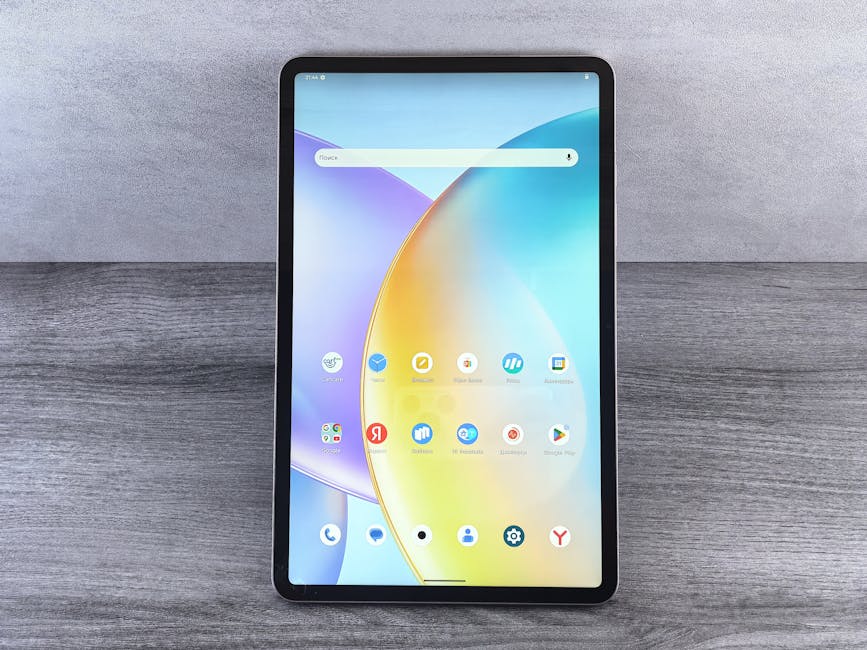
The Tablet Renaissance: More Than Just Big Phones
Remember when tablets were supposed to be the future? Then they kind of… faded? Well, guess what, the Android tablet scene is heating up again, and it’s not just about watching Netflix on a bigger screen anymore. We’re talking about devices that are genuinely trying to be productivity powerhouses and creative canvases, all while keeping that beloved Android flexibility. Wired's latest comparison gives us a peek into the top contenders for 2026, highlighting devices from OnePlus, Lenovo, and Google Pixel. This isn't just about incremental updates; it's about a renewed focus on what makes a tablet truly useful in our increasingly mobile lives.
What Happened: The Contenders Step Up
Wired's rundown focuses on the cream of the crop, showcasing how different manufacturers are approaching the tablet market. While specific 2026 models aren't fully detailed yet, the article points to the trajectories of these brands:
- OnePlus: Known for its "flagship killer" smartphones, OnePlus has been making waves with its tablets too, offering premium features at competitive prices. Expect sleek designs, powerful processors (likely the latest Qualcomm Snapdragon or MediaTek Dimensity chips), and fast charging, which is a signature OnePlus trait. Their tablets often aim for a balance between entertainment and light productivity.
- Lenovo: A long-standing player in the tablet space, Lenovo offers a wide range, from budget-friendly options to high-end productivity beasts. Their focus often includes robust build quality, excellent display technology (like OLED panels for vibrant colors), and often, a strong ecosystem of accessories like keyboards and styluses that lean into the "laptop replacement" narrative. We're talking about devices like the potential successor to the Tab P12 Pro, pushing boundaries in screen quality and multitasking.
- Google Pixel: Google's entry with the Pixel Tablet marked a significant shift, emphasizing smart home integration and a unique charging speaker dock. For 2026, we can anticipate Google doubling down on its AI capabilities, seamless integration with the Android ecosystem, and perhaps a more robust productivity suite, leveraging its own Tensor chips for optimized performance and machine learning tasks. The focus here is often on software experience and smart features.
The key takeaway from these comparisons is that manufacturers are no longer just scaling up phone screens. They're designing tablets with specific use cases in mind, from media consumption to serious work, and even acting as smart home hubs.
Why It Matters: More Than Just a Bigger Screen
For years, Android tablets struggled to find their identity, often feeling like oversized smartphones without the phone part. Apple's iPad dominated, setting the standard for tablet productivity and app optimization. However, the landscape is changing. The renewed interest from major players like Google, OnePlus, and Lenovo signals a maturity in the Android tablet ecosystem.
Why should you care? Because these new tablets are addressing past shortcomings. We're seeing:
- Improved Software: Android itself has evolved, with features like better multitasking (split-screen, floating windows) and optimizations for larger screens. Google's push with Android 12L and subsequent versions specifically for tablets and foldables is a game-changer.
- Powerful Hardware: The processors inside these tablets are no longer just repurposed phone chips. They're designed to handle more demanding tasks, from complex photo editing to graphic-intensive gaming, rivaling entry-level laptops.
- Enhanced Accessories: Keyboards, styluses (like the Lenovo Precision Pen 3 or Pixel Pen), and docks are becoming more sophisticated, turning a tablet into a legitimate workstation for many users. This is crucial for anyone considering a tablet as a "laptop replacement."
The competition is fierce, and that's great for consumers. It means more innovation, better features, and more competitive pricing across the board. Whether you're a student, a creative professional, or someone who just wants a premium entertainment device, the options are becoming incredibly compelling.
The Bigger Picture: A Converging Ecosystem
This Android tablet resurgence isn't happening in a vacuum. It's part of a larger trend where device categories are blurring. Smartphones are getting bigger, laptops are getting thinner and touch-enabled, and foldables are trying to do both. Tablets are finding their sweet spot in this convergence, offering a unique blend of portability, screen real estate, and versatility.
Google's commitment to the tablet form factor, evidenced by its own Pixel Tablet and software initiatives, is a strong signal to developers. This encourages more tablet-optimized apps, which has historically been an Achilles' heel for Android tablets compared to the iPad. As more apps are designed to take advantage of larger screens, the utility of these devices skyrockets.
Furthermore, the integration with smart home ecosystems, as seen with the Pixel Tablet's dock, positions tablets as central control hubs, adding another layer of value beyond traditional computing or entertainment.
Should You Care? Absolutely!
If you've been on the fence about getting a tablet, or if your old one is gathering dust, now might be the perfect time to reconsider. These new Android tablets aren't just for casual browsing; they're becoming powerful tools for a variety of tasks.
For students, they offer a lightweight alternative to a laptop for note-taking and research. For artists, the improved stylus support and powerful screens make them excellent digital sketchpads. For anyone who loves media, the vibrant displays and often excellent speakers provide an immersive experience. And for the everyday user, they offer a fantastic way to stay connected, manage smart home devices, and enjoy content without being tethered to a desk.
Before you buy, think about your primary use case. If it's pure entertainment, a more affordable option might suffice. If you're aiming for productivity, look for models with strong processor specs, good accessory support (keyboard, stylus), and a robust software experience. The 2026 lineup promises to deliver options that truly cater to diverse needs, making the Android tablet a relevant and exciting device once more.