
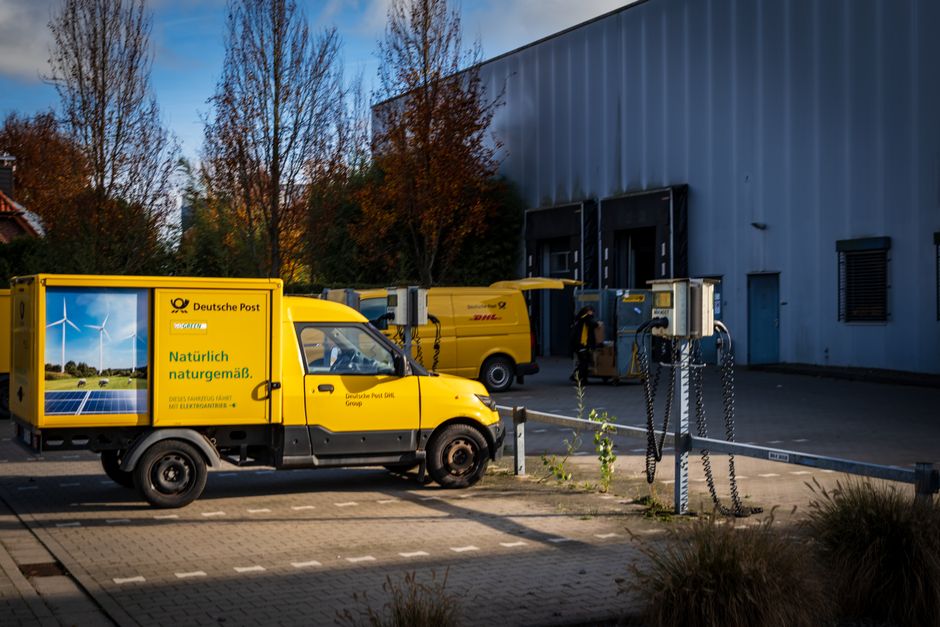
When we talk about electric vehicles, the conversation often centers on reducing carbon emissions and saving the planet. And while those are incredibly important goals, there's a growing realization in the business world that electrifying vehicle fleets isn't just about being 'green' – it's about being smart, efficient, and ultimately, staying in business. For companies operating everything from delivery vans to ride-share services, the shift to EVs is becoming a strategic imperative driven by the bottom line.
What Happened: The Business Case for EVs
Businesses are making the switch to electric fleets at an accelerating pace, and it's not just for PR. Major players like
The primary drivers are clear: significantly lower
Why It Matters: A Competitive Edge
For businesses, these cost savings translate directly into a competitive advantage. Lower operating costs mean better margins or the ability to offer more competitive pricing. Consider a delivery company: if their fuel and maintenance costs drop by
Beyond direct costs, there's the benefit of
Finally, there's the aspect of
The Bigger Picture: Reshaping Logistics and Infrastructure
The widespread adoption of EV fleets is not just about individual companies; it's reshaping entire industries. Logistics companies are rethinking their depot designs to incorporate charging infrastructure. Software solutions for
This shift also has implications for urban planning and energy grids. More electric fleets mean increased demand on local electrical grids, necessitating investments in grid upgrades and smart charging solutions that can manage demand peaks. The data collected from these fleets can also provide valuable insights into urban mobility patterns, helping cities plan for future infrastructure needs.
Should You Care? Impacting Your Daily Life and Economy
Even if you don't own a business, the electrification of fleets impacts you directly. It means quieter streets, cleaner air in your neighborhoods (especially from delivery vehicles that often operate in urban areas), and potentially more efficient and reliable delivery services. It also signifies a broader economic shift towards sustainable practices, creating new jobs in manufacturing, infrastructure, and technology.
For business owners and fleet managers, the message is clear: ignoring the transition to electric is no longer an option. It's not just about corporate social responsibility; it's about making a sound financial decision that will ensure your business remains competitive and sustainable in the long run. Start by analyzing your current fleet's TCO, exploring available incentives, and piloting a few EV models. The future of business, it seems, is electric.