
The Gold Standard of Controversy: Unpacking the "Trump Phone" Saga
After months of anticipation, delays, and a significant amount of public debate, the so-called "Trump Phone," officially known as the T1, is reportedly making its way into the hands of eager buyers. This gold-hued Android device, a product of Trump Mobile—a carrier founded by Donald Trump Jr. and Eric Trump—has generated buzz far beyond its technical specifications, positioning itself squarely at the intersection of technology, branding, and political identity. The journey from its initial announcement to its alleged shipping date in mid-May 2026 has been marked by shifting promises, substantial deposits, and a marketing narrative that has evolved considerably.
### A Protracted Launch: The Saga of the T1's Delays
The path to market for the T1 has been anything but smooth. Initially, the gold smartphones were slated to reach customers as early as August, then October, following their original announcement. However, as May 2026 rolled around, nearly a year after that initial reveal, the phones were still largely unseen. This protracted delay led to considerable frustration among those who had pre-ordered, with many fans of the former president expressing concern over what they perceived as having their "pockets picked." The situation was exacerbated by a quiet but significant change in Trump Mobile's terms of service, which were reportedly rewritten to state there was no guarantee the phone would ever be released.
This delay wasn't just a minor inconvenience for a few early adopters. The scale of the pre-orders was substantial: nearly 600,000 individuals reportedly put down a $100 deposit each for the T1. This amounts to a staggering sum of almost $60 million collected by Trump Mobile well in advance of product delivery. When questioned about the extensive delays in pushing out what has been described as a "middling Android phone," a spokesperson for Trump Mobile offered a concise, if not entirely illuminating, response. They stated that the "delays were worth it in our minds as we are delivering an amazing product." This statement, while aiming to reassure, did little to explain the operational challenges or the nearly year-long wait for a device that, by many accounts, appears to be a standard offering.
### The Shifting Narrative of American Manufacturing
One of the most prominent selling points initially touted for the T1 was the promise of it being "Made in the USA." This claim resonated strongly with its target demographic, aligning with a broader political sentiment. However, this assertion proved to be short-lived. The "Made in USA" claim was reportedly reversed by Trump Mobile relatively quickly, specifically after the company had already secured a significant portion of those $100 deposits. The revised marketing message now states that the phones were "designed with American values in mind." This subtle but crucial distinction highlights a common practice in global manufacturing and marketing, where design and conceptualization can occur in one country while actual production takes place elsewhere.
The shift from a definitive "Made in USA" to a more abstract "designed with American values in mind" underscores a strategic pivot in how the product's origins are communicated. For consumers who prioritize domestic manufacturing as a core value, this change represents a significant departure from the initial promise. It transforms a tangible claim about production into an intangible one about ethos, potentially impacting consumer trust and the perception of the brand's commitment to its initial pledges.
### Under the Gold Exterior: Unpacking the T1's Technical Specifications
Beyond the striking gold aesthetic and the surrounding political narrative, the T1 is, at its core, an Android smartphone. From a pure technology perspective, the details provided by Trump Mobile suggest a device with decidedly average specifications, especially when considering its reported price point of anywhere from $500 to $1,000. The company claims the T1 features a Snapdragon chip of some kind, a 50MP main camera, and a 5000 mAh battery.
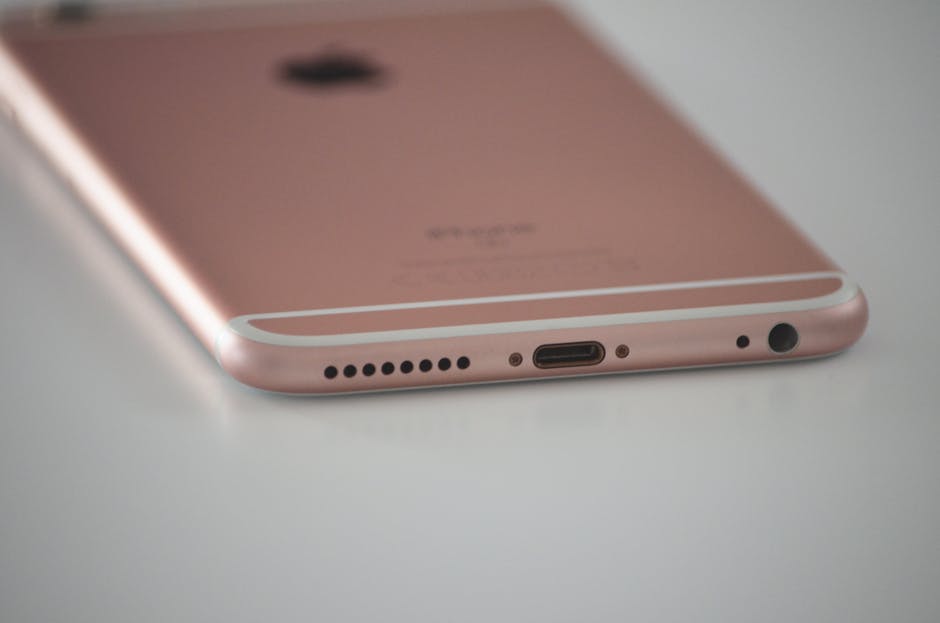
While a 50MP camera and a 5000 mAh battery might sound decent on paper for a modern smartphone, the lack of specificity regarding the Snapdragon chip is notable. Qualcomm's Snapdragon processors come in various tiers, from entry-level to high-end, significantly impacting a device's overall performance. Without a specific model number, it's difficult to gauge the T1's true processing power, but the description of it as a "middling Android phone" suggests it's unlikely to feature a top-tier chip. Moreover, the concept of a gold-colored smartphone is far from revolutionary; Apple, for instance, released its gold iPhone 5s all the way back in 2013, demonstrating that the T1's primary aesthetic differentiator is not a cutting-edge innovation.
Ultimately, the T1 appears to be a rebranded Android device, likely focusing more on its unique branding and political association than on offering groundbreaking specifications or innovative features that would justify a premium price tag. The real story here isn't about technological advancement; it's about the intersection of tech, branding, and political identity, where the device itself serves as a symbol rather than a leading-edge gadget.
### Beyond the Phone: Trump Mobile's Broader Offerings
Trump Mobile's business model extends beyond just selling the T1 smartphone. The company also operates as a carrier, offering coverage plans to its customers. One notable offering is a 5G plan priced at $47.45 per month. This specific price point is not arbitrary; it's explicitly stated to be a nod to President Trump's two terms in office, further cementing the brand's connection to its political identity and target demographic.
In addition to its proprietary phone and carrier services, Trump Mobile also engages in the resale of other devices. The company sells a number of used Samsung and Apple devices, often at what are described as "rather large markups." For example, a refurbished iPhone 15 with 128GB of storage is listed for $630 through Trump Mobile. This price stands in stark contrast to the average market price for the exact same refurbished model, which typically sits around $300 to $350 from other retailers. This pricing strategy suggests that customers are not just paying for the device itself, but also for the association with the Trump Mobile brand, indicating a strong element of consumer loyalty and identity-driven purchasing.
### Promises and Realities: The Future of Trump Mobile
Eric Trump once boldly promised that Trump Mobile was "going to change the game" and that the phone "will deliver the highest levels of quality." With the T1 finally shipping, albeit nearly a year late, the opportunity to assess these claims is imminent. The company has stated that all preordered T1 phones will be delivered within the "next several weeks" following the May 13, 2026, report. This timeline will soon reveal whether the "amazing product" touted by the spokesperson lives up to the lofty expectations set by its founders and its dedicated customer base.
The Trump Phone, therefore, stands as a curious case study in modern marketing and consumer loyalty. It demonstrates how personal identity, political alignment, and brand association can drive product choices, often overshadowing traditional considerations like cutting-edge technology or competitive pricing. For those seeking a smartphone that makes a bold statement beyond just its operating system, the T1 might indeed be it. For the broader tech industry and market observers, it offers a fascinating glimpse into how a product's narrative and brand identity can become its most significant, and at times, most controversial, feature.