
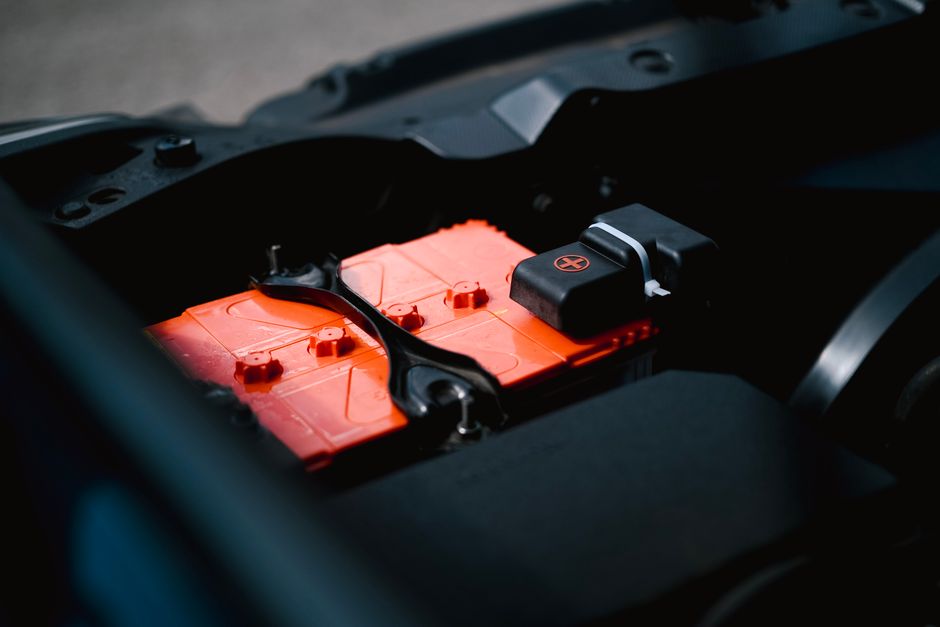
Home Batteries: Your Strategic Advantage Against Rising Energy Costs
For many, the idea of a home battery might still conjure images of emergency power during a storm. While providing backup remains a vital function, the role of home energy storage has evolved dramatically. Today, systems like Tesla's Powerwall or Enphase's IQ Battery are no longer just a safety net; they are sophisticated tools for actively managing and optimizing a household's energy consumption, particularly for homes equipped with solar panels. This shift positions home batteries as a crucial component in navigating fluctuating energy prices and moving towards greater energy independence.
### Beyond Emergency Backup: A New Era of Energy Management
The traditional perception of a home battery centered almost exclusively on its ability to provide power when the main grid fails. And indeed, the peace of mind that comes with an uninterrupted power supply during a blackout is a significant, often priceless, benefit. Imagine essential appliances, lighting, and communication systems remaining operational when the neighborhood goes dark. This fundamental security aspect continues to be a primary driver for many homeowners considering these systems.
However, the capabilities of modern home batteries extend far beyond mere emergency preparedness. They represent a fundamental change in how homeowners interact with their energy supply. These intelligent systems are designed to integrate seamlessly with a home's existing electrical infrastructure, becoming an active participant in daily energy decisions. They are about proactive management, not just reactive response.
### The Mechanics of Smart Energy Optimization
At its core, the 'magic' of a home battery system lies in its ability to store electricity when it is most advantageous and then deploy it strategically. This involves two primary scenarios, both leading to tangible benefits for the homeowner.
First, for homes with solar panels, the battery acts as a crucial reservoir for excess solar generation. During daylight hours, solar panels often produce more electricity than the home immediately consumes. Without a battery, this surplus energy is typically sent back to the grid, often at a lower credit rate than the cost of purchasing electricity from the grid later. A home battery captures this otherwise 'lost' or undervalued energy, storing it for later use. This stored solar power can then be discharged during the evening or night, when solar production ceases but household energy demand remains high. This practice, known as increasing 'solar self-consumption,' maximizes the value of a homeowner's solar investment by reducing reliance on grid power during peak demand times.
Second, even for homes without solar, or in conjunction with solar, batteries can leverage 'time-of-use' (TOU) electricity rates. Many utility companies charge different rates for electricity depending on the time of day, with higher prices during peak demand periods (e.g., late afternoon and early evening) and lower prices during off-peak hours (e.g., overnight). A smart home battery system can be programmed to charge itself from the grid during these cheaper, off-peak hours. It then holds that stored, inexpensive electricity, releasing it to power the home during the more expensive, on-peak periods. This strategy, often referred to as 'energy arbitrage,' effectively allows homeowners to 'buy low and sell high' (or rather, 'buy low and use high'), significantly reducing their overall electricity costs.
Systems like Tesla's Powerwall and Enphase's IQ Battery exemplify this intelligent operation, constantly monitoring energy flows, grid conditions, and household demand to ensure optimal charging and discharging cycles. They are designed to learn and adapt, making energy management largely automated and effortless for the homeowner.
### Real Savings and Reduced Grid Reliance
The direct consequence of this intelligent energy management is substantial financial savings. By strategically storing and deploying electricity, homeowners become less susceptible to the grid's fluctuating prices. The ability to draw from stored solar energy or cheap off-peak grid power during expensive peak times means a direct reduction in the amount of high-cost electricity purchased from the utility. This can translate into shaving hundreds off an annual energy bill, providing a tangible return on investment over time.
Beyond the immediate financial benefits, home batteries foster a greater degree of energy independence. By generating and storing their own power (especially with solar), or by strategically purchasing and storing grid power, homeowners reduce their reliance on the centralized utility grid. This lessens their vulnerability to grid outages, price spikes, and potential future energy market volatility. It's a step towards greater self-sufficiency and control over one of a household's most significant ongoing expenses.
### Navigating the Investment and Future Outlook
It's important to acknowledge that the initial investment in a home battery system can be significant. Costs typically range from a few thousand dollars to well over ten thousand dollars, depending on the battery's capacity, the complexity of the installation, and the specific features of the chosen system. This upfront expense can be a barrier for some households.
However, several factors are making these systems increasingly attractive. Government incentives, which can include tax credits, rebates, or other financial programs, are often available to offset a portion of the installation cost. These incentives are designed to encourage the adoption of renewable energy and energy storage technologies, recognizing their broader benefits for grid stability and environmental sustainability. Coupled with these incentives, the long-term savings generated through reduced energy bills and increased solar self-consumption contribute to a compelling economic case for home battery ownership. The lifespan of these systems, often backed by substantial warranties, means these savings accrue over many years, eventually recouping the initial investment.
In essence, home batteries represent a significant step towards creating a smarter, more resilient home energy ecosystem. They empower homeowners to take control of their energy consumption, mitigate the impact of rising electricity costs, and ensure continuous power during disruptions. As energy landscapes continue to evolve, these intelligent storage solutions are poised to become an increasingly integral part of the modern, energy-efficient household.